How to read an Australian tyre sidewall
A 205/55R16 91V is not a secret code. Here is how Brisbane drivers should read size, construction, load and speed before anyone in a fitting bay talks them into a different tyre.
14 January 2025 · Updated 2 July 2026 · 6 min read · Brisbane Tyres desk
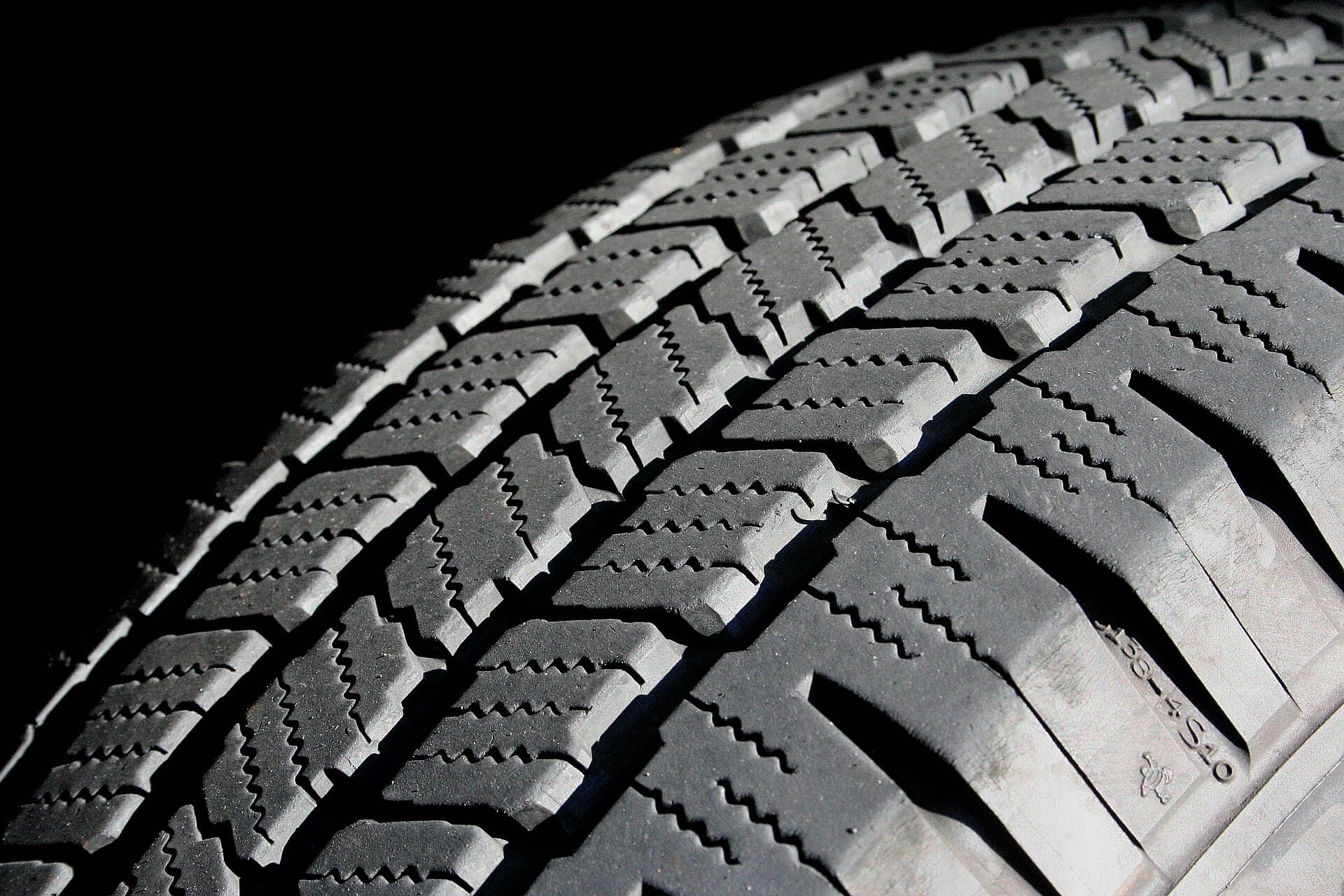
Photo: Wikimedia Commons contributors (File:Tire tread.jpg). Licensed CC BY 2.0. Source and licence. See also the image credits page.

The first useful sentence on a car tyre is not written in a brochure. It is moulded into the sidewall in a typeface designed to survive grit, heat and a decade of car-wash chemicals. If you can read that sentence, you can walk into a Brisbane fitting bay and stay in charge of the conversation.
A typical passenger marking looks like 205/55R16 91V. It is not poetry, and it is not optional. Each token is a constraint. Ignore one of them and you can still bolt the tyre onto the rim. That is not the same as the tyre being right for the car, the load or the Bruce Highway at 110.
Width, profile and the number people argue about
205 is the section width in millimetres: the designed width of the tyre, not the width of the tread you can see. 55 is the aspect ratio. The sidewall height is 55 per cent of 205, which is about 113 millimetres. Drop the profile to 45 and the car looks sharper. It also punches potholes straight into the rim. Brisbane's inner-south bitumen is not a German test track. A lower profile is a choice, not a free upgrade.
R means radial. Almost every passenger tyre sold in Australia now is a radial. The old site was right to warn you not to mix radials with older constructions. That warning still matters on light trucks and some trailers, where bias-ply leftovers still turn up.
16 is the rim diameter in inches. You cannot "make it fit" with a different number. If the car is a 16, you are shopping 16s unless you are changing the whole wheel package and have run the geometry.
Load index and speed rating
91 is the load index. It is a code, not a kilogram number printed for your convenience. A 91 tyre is rated to carry 615 kilograms. V is the speed symbol, 240 km/h. Almost nobody on Gympie Road needs 240. What you do need is a speed symbol that matches or exceeds the vehicle placard, because the symbol is also a proxy for how the carcass was built.
A common sales trick is to offer a cheaper tyre with a lower load index on a small SUV that has been used as a family hauler. The tyre will mount. It will even feel fine for a week. Then you put two teenagers, a dog and a weekend fridge on board and the sidewall starts working outside the design. Read load index and speed ratings before you accept a "same size, better price" swap.
The vehicle placard — usually in the driver's door aperture — is the legal and practical baseline. It is more important than a mate's Facebook recommendation. If the placard says 215/55R17 94V, that is the conversation starter, not the end of it.
Extra marks that actually matter in Queensland
Look for TUBELESS. Look for the week-and-year code, a four-digit stamp such as 2319 for the 23rd week of 2019. A tyre can sit in a warehouse and still age. Queensland sun on a spare that has been strapped to a 4WD for six years is not a storage plan. See when to replace passenger car tyres.
M+S or a mountain-snowflake mark is not a Brisbane requirement. What you do want in this climate is a wet-braking story you can believe. There is no Australian on-tyre wet-grip letter as simple as the European label on every import, so you have to read test notes and brand reputation rather than a single A-to-G square. Our piece on wet-weather tyres for Brisbane walks through that trade.
XL or EXTRA LOAD means a reinforced carcass. Useful on a small SUV. Pointless on a light commuter if you are paying a noise penalty for it. RFT or a run-flat mark means the tyre is built to limp. It also means the ride will be firmer and the replacement dearer. Read run-flat versus conventional tyres before you let a fitter "upgrade" you into that world, or out of it.
Directional, asymmetric and the arrow people ignore
A directional tyre has an arrow. It must rotate that way. Fit it backwards and the grooves that were meant to pump water out start pumping water in. An asymmetric tyre has an outside face, usually marked OUTSIDE. Those marks survive because people still fit them wrong.
If you rotate tyres yourself, you need to know which pattern you own. A directional set cannot do a simple side-to-side swap. Our alignment, rotation and balancing guide covers the patterns.
What the old Brisbane Tyres desk already knew
The 2007 site told readers that pressure should be checked cold, that mixed tread patterns were a bad idea, and that alignment was not a luxury. Those sentences still earn their keep. A sidewall you can read is how you hold a tyre supplier to them.
If a quote comes back with a different size "because it's on special", ask for three numbers: the change in overall diameter in millimetres, the load index, and the speed symbol. If the person selling the tyre cannot give you those numbers, you are not in a conversation. You are in a clearance.
Take a photo of both sidewalls and the door placard before you shop. Keep it on your phone. The best cheap tyres article in the world cannot help you if you do not know what you already have.
A Brisbane checklist before you buy
Walk around the car on a Saturday morning. Note irregular inner-edge wear — that is alignment, not a brand failure. Note a sawtooth pattern — that is often rotation neglected. Note cracks at the shoulder after a few summers at a north-facing carpark in Woolloongabba. Then read the sidewall, then get the quote.
If you tow, if you run a roof box to the Granite Belt, or if the car is a hybrid with extra nose weight, say so. Load index is where those stories show up. A touring tyre that is quiet on the Gateway can still be the wrong carcass for a loaded Carnival.
The sidewall is the one part of the tyre that talks in public. Learn its language and the rest of this publication gets easier to use.
Frequently asked
- What does 205/55R16 mean?
- 205 is the section width in millimetres, 55 is the sidewall height as a percentage of that width, R means radial, and 16 is the rim diameter in inches.
- Can I change tyre size on a Brisbane commuter car?
- You can, but the load index, speed rating and overall diameter should stay inside the vehicle maker's tolerance. Ask for the millimetre difference, not a vibe.
- Where is the legal minimum tread in Australia?
- The legal minimum tread depth for passenger tyres in Australia is 1.5 millimetres across the tread. Many testers retire a wet-weather tyre earlier.
More from Car Tyres
Quiet touring tyres for Brisbane commutes
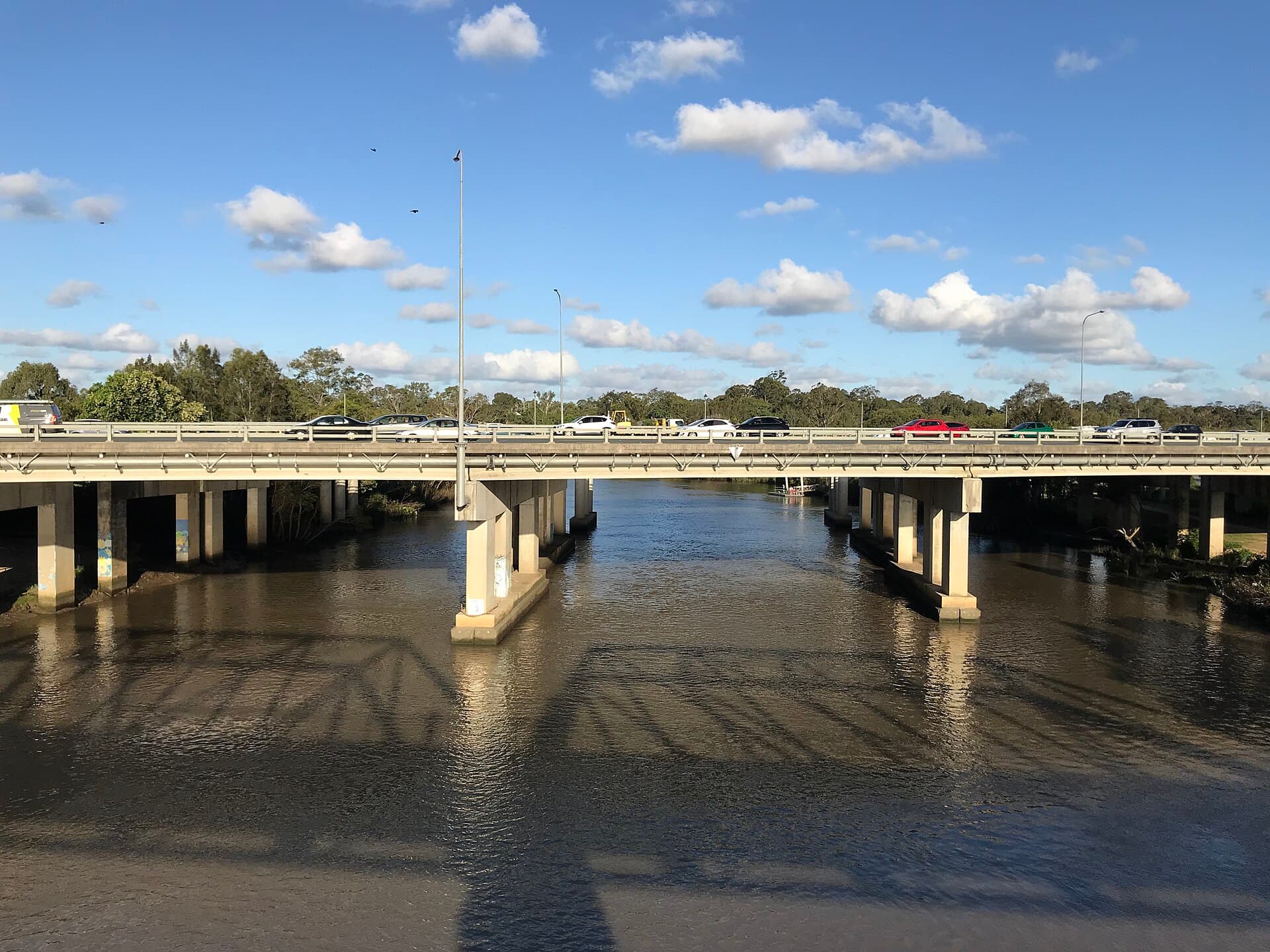
The Gateway and the ICB will tell you if you bought a cheap, noisy carcass. How to shop for touring rubber that stays civil after 6am and still works in the wet.
8 April 2025
Load index and speed ratings explained
91V is not a trim level. It is the carrying capacity and the speed the carcass was built for. How to read those two characters before a special makes them disappear.
21 March 2025
Run-flat versus conventional tyres
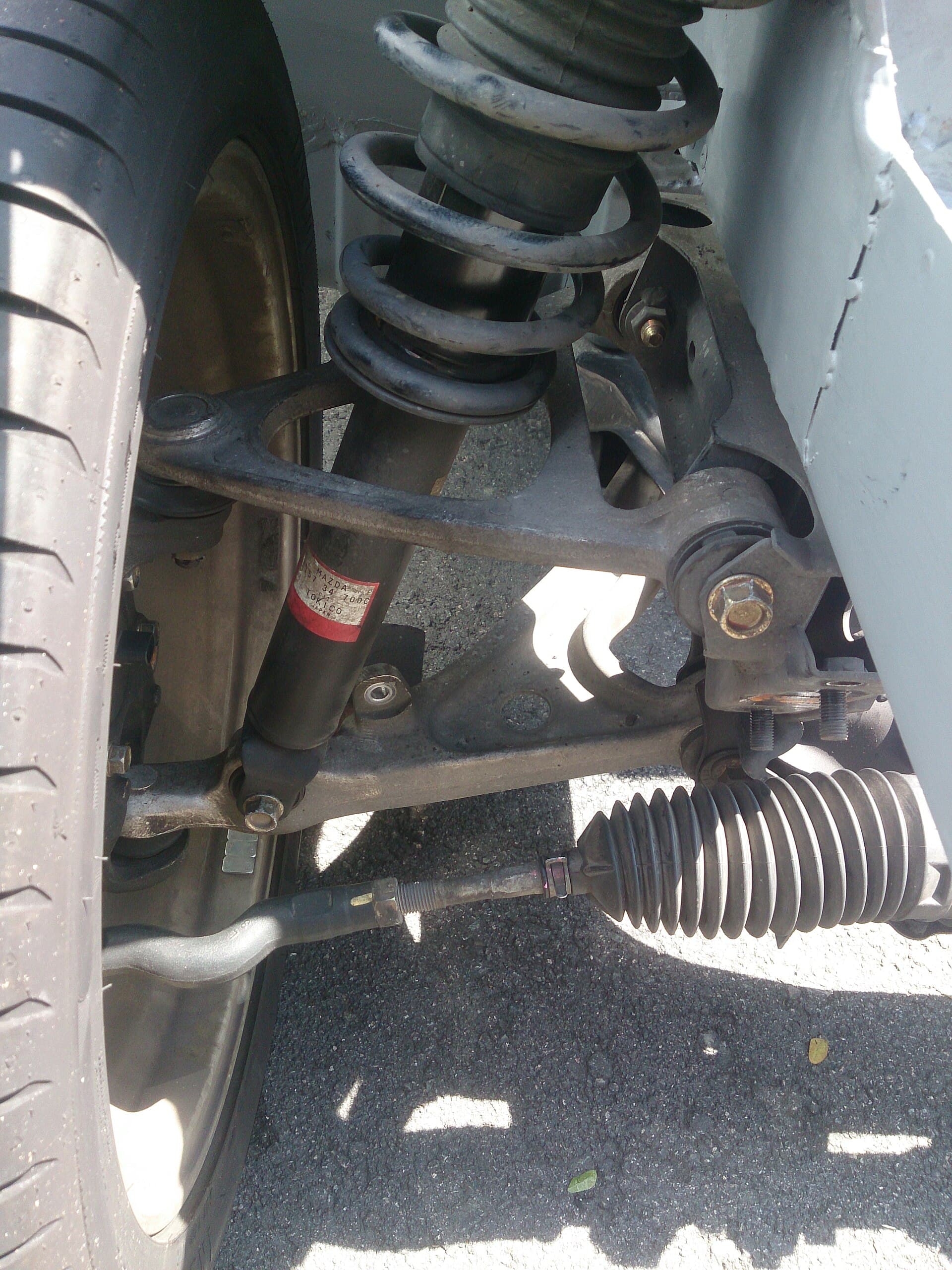
Run-flats promise a limp home without a spare. They also ride harder, cost more and leave you stranded in a different way. A clear-eyed comparison for Brisbane drivers.
4 March 2025