When to replace passenger car tyres
Tread bars, cracks, age stamps and a wet-season scare are different clocks. How Brisbane drivers should decide a tyre is finished before the legal minimum makes the decision for them.
18 February 2025 · Updated 20 May 2026 · 7 min read · Brisbane Tyres desk
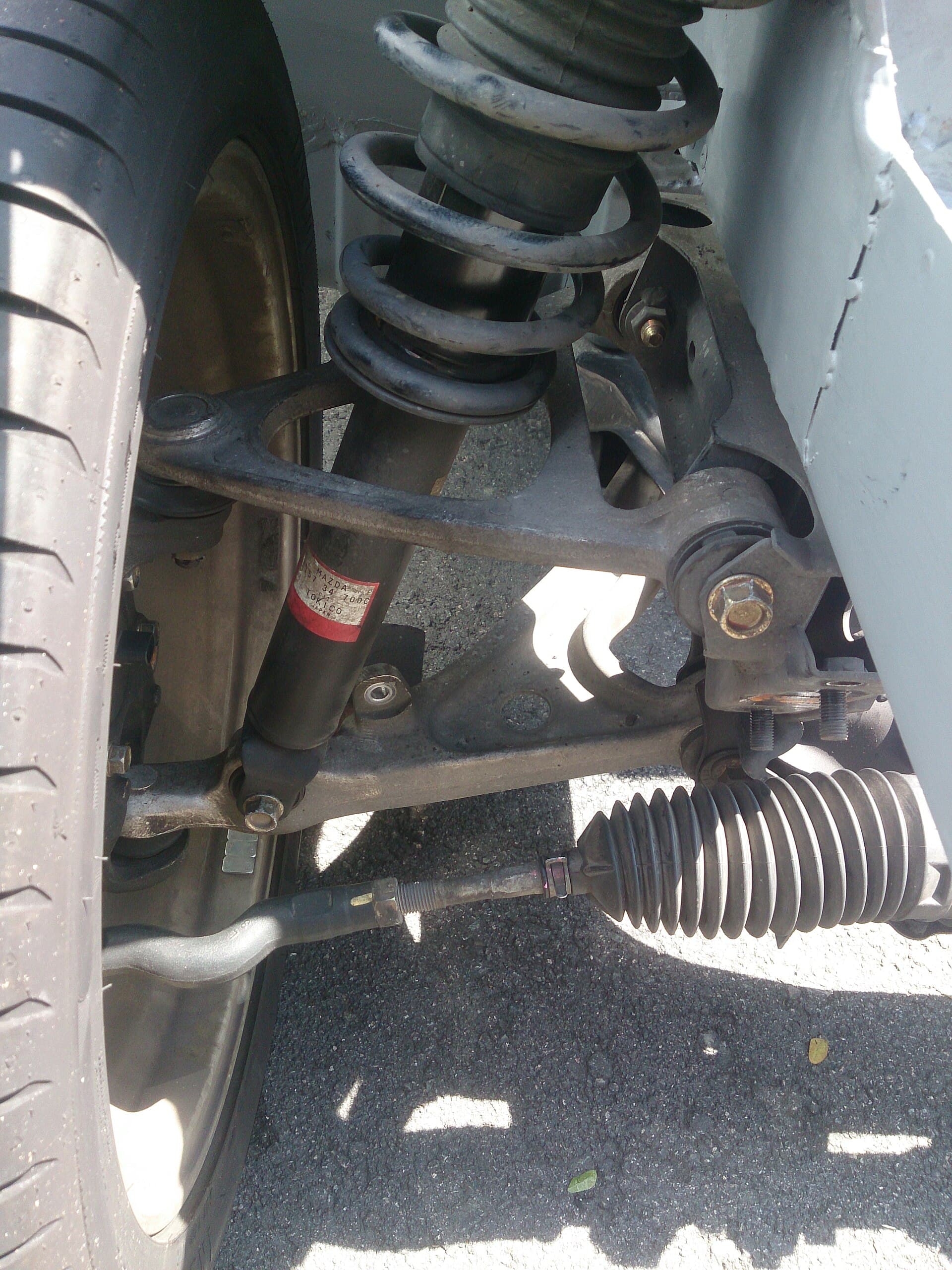
Photo: ProjectManhattan. Licensed CC BY-SA 3.0. Source and licence. See also the image credits page.

A tyre does not retire because a calendar says so, and it does not get a medal for reaching the legal 1.5 millimetre mark. It retires when it can no longer do the three jobs it was bought for: carry the load, put the power down, and still have somewhere for the water to go. In Brisbane those three jobs fail on different days.
The old car tyres maintenance list on this site was almost entirely about keeping a good set alive: cold pressures, diagonal rotation, balance, alignment. That list is still the cheapest safety work in Queensland. This article is about the day the list is not enough.
Tread is the obvious clock
Wear bars sit in the grooves. When the rubber is flush with those bars you are at or about the legal minimum. A 20-cent coin trick is folk science. A cheap tread-depth gauge from a hardware aisle is better. Measure inner, centre and outer. A tyre that is bald on the inside and healthy in the middle is not “half worn”. It is an alignment problem that has already spent your money. Fix the rack before you buy the next set or you will buy the set after that sooner than you planned. See alignment, rotation and balancing.
Wet braking falls off before the legal limit. Plenty of testers start muttering at 3 millimetres. If you do the school run on slick inner-city bitumen, treat 3 millimetres as the start of the shopping, not 1.5. Storm season is a deadline. Wet-weather tyres for Brisbane explains why groove volume is not a lifestyle choice.
Age is the quiet clock
Look for a four-digit DOT week code. 1418 is the 14th week of 2018. A tyre can have tread and still be a museum piece. Ozone, heat and ultraviolet harden the compound. North-facing carparks in West End are an ageing machine. A spare that has lived on the back of a Prado since the Gillard years can look unused and still crack when you finally need it.
There is no single Australian law that says “bin at six years”. There is a lot of maker language around ten years from manufacture, and a sensible habit of inspecting hard from year five. If you buy “new” tyres, ask when they were built. Warehouse time counts. New versus second-hand tyres is the longer argument.
Damage is the sudden clock
A bulge in the sidewall is the carcass giving up. Do not drive it to see if it “goes down”. A cut that reaches cords is finished. A puncture in the shoulder is usually finished even if a plug would hold air for a week. The punctures and plugs guide draws that line. Curb rash that has chewed the bead is a wheel conversation and a tyre conversation.
Queensland potholes after rain are not theoretical. A sharp hit that knocked the steering wheel out of your hands is a reason to look at the inner shoulder that night, not at the next service. Potholes, heat and premature wear is the local version of this paragraph.
Irregular wear is a message
Feathering, camber wear, centre baldness from chronic over-inflation, shoulder wear from under-inflation in summer heat — none of those are “the brand was rubbish”. They are how the car was run. If you replace the tyres and not the habit, you will be back in the bay. Tyre pressure after a heatwave is the summer half of that habit.
Replacing two versus four
Money is real. A full set is cleaner. Two quality tyres on the rear of a front-drive commuter is the usual compromise, because a sliding rear is harder to catch than a sliding front. Do not put the new pair on the front and leave ice-skates at the back. Do not mix a performance carcass with a budget touring carcass and hope the ESC sorts it out. Mixing tyres is the longer warning.
If the remaining pair is already at 3 millimetres and storm season is four weeks away, you are not saving money by buying two. You are splitting a bill you will finish in November anyway.
The conversation to have in the bay
Bring the door placard. Bring a photo of the sidewall. Ask for load index and speed symbol, not “this one will be fine”. Ask about the manufacture date on the tyre they will actually fit, not the brochure tyre on the wall. If the quote is a cheap tyre special, read false economy on the way there.
A tyre is finished when you can no longer honestly say it will do a wet Gateway merge. That sentence is earlier than the legal minimum for a lot of Brisbane kilometres. Replace then. The law will not ring you first.
A walk-around you can do in a supermarket carpark
Stand back and look at the car on level ground. Does one corner sit in a puddle of extra sidewall? That can be pressure or a tired spring; check pressure first. Then squat. Shine a phone light into the inner shoulder of the front wheels. That is where Brisbane alignments confess. Look for a feathered edge you can feel with a fingernail. Look for cracks at the base of the tread blocks after a few summers. Look for a nail you have been driving around because it has not hissed yet.
Do the same at the rear. A family hatchback with a boot full of sport kits will wear rears in a way a brochure never drew. If the rear is bald and the front looks rich, you have not rotated, or you have been replacing the pretty end.
How a tyre dies in Queensland without going bald
Ozone cracking at the sidewall, especially on a car that lives outside at Redcliffe. A spare that has been a table for a toolbox. A tyre that took a hit on a hidden hole in a flooded dip and now has a bulge you only see when the wheel is on full lock at Bunnings. A set that is five years old with “plenty of tread” and a wooden feel in the wet. All of those are replacements. None of them wait for the wear bar.
Money, pairs and the honest delay
If you cannot do four, do two properly, on the axle that keeps the car predictable, with a date you will finish the set. Write that date on the invoice. A delay with a plan is adult. A delay with a hope is how people meet a January storm on 1.6 millimetres and then say the brand was bad.
If the car is going to a wrecker in six months, a careful used pair from a second-hand conversation can be a bridge. If the car is the school car, do not build a bridge out of someone else’s remaining 3 millimetres.
After the new set goes on
Alignment printout. Torque on the nuts after 50 kilometres if the shop used an impact. A pressure check the next cold morning. A rotation date in the diary. That is how a replacement becomes a system instead of an event. The old site’s maintenance list was this system in shorter sentences. We kept the sentences and added the climate.
Frequently asked
- What is the legal minimum tread in Australia?
- 1.5 millimetres across the tread of a passenger tyre. That is a legal floor, not a wet-weather recommendation.
- How old is too old?
- Many makers talk about ten years from the date of manufacture, with a hard look from five or six if the tyre has lived in the sun. The four-digit week code is the start of that conversation.
- Can I replace just two tyres?
- Yes, usually on the rear first for a typical FWD commuter, and only if the remaining pair is honest. Do not mix constructions or wildly different tread depths.
More from Car Tyres
Quiet touring tyres for Brisbane commutes
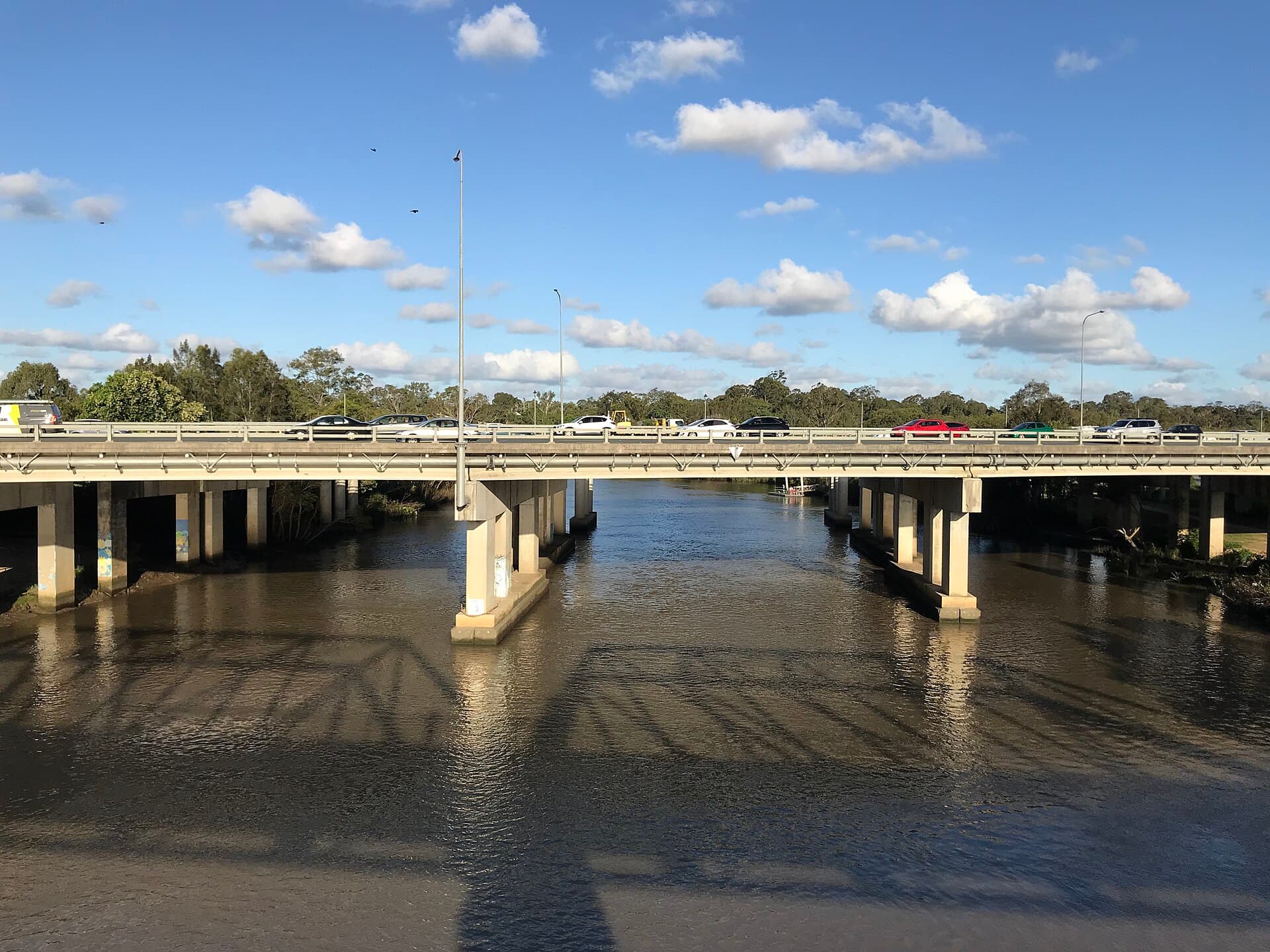
The Gateway and the ICB will tell you if you bought a cheap, noisy carcass. How to shop for touring rubber that stays civil after 6am and still works in the wet.
8 April 2025
Load index and speed ratings explained
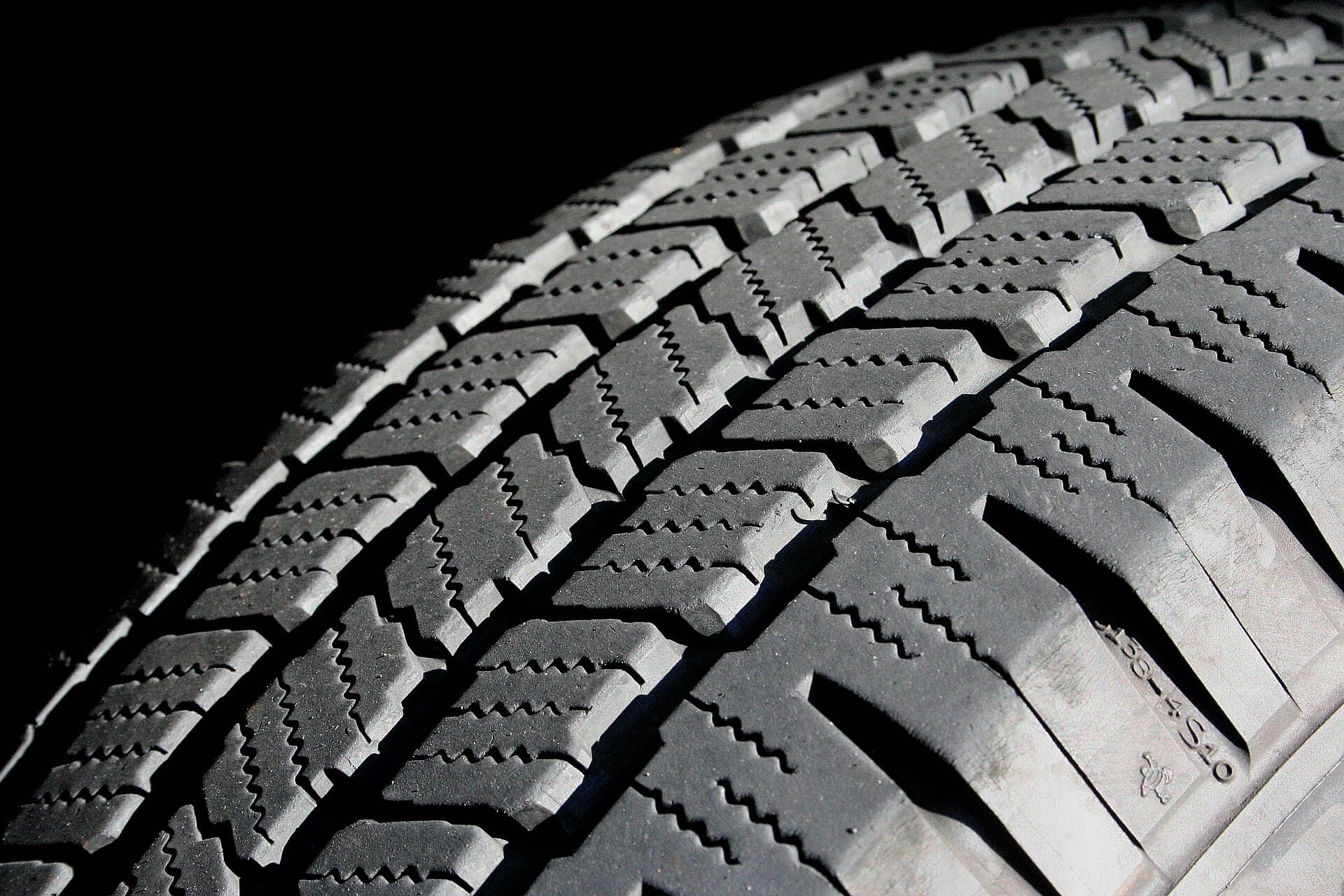
91V is not a trim level. It is the carrying capacity and the speed the carcass was built for. How to read those two characters before a special makes them disappear.
21 March 2025
Run-flat versus conventional tyres
Run-flats promise a limp home without a spare. They also ride harder, cost more and leave you stranded in a different way. A clear-eyed comparison for Brisbane drivers.
4 March 2025