Punctures, plugs and when to bin a tyre
A nail in the middle of the tread is a repair. A gash in the sidewall is a funeral. The line Queensland drivers keep negotiating at the side of the road.
4 April 2025 · Updated 25 June 2026 · 8 min read · Brisbane Tyres desk
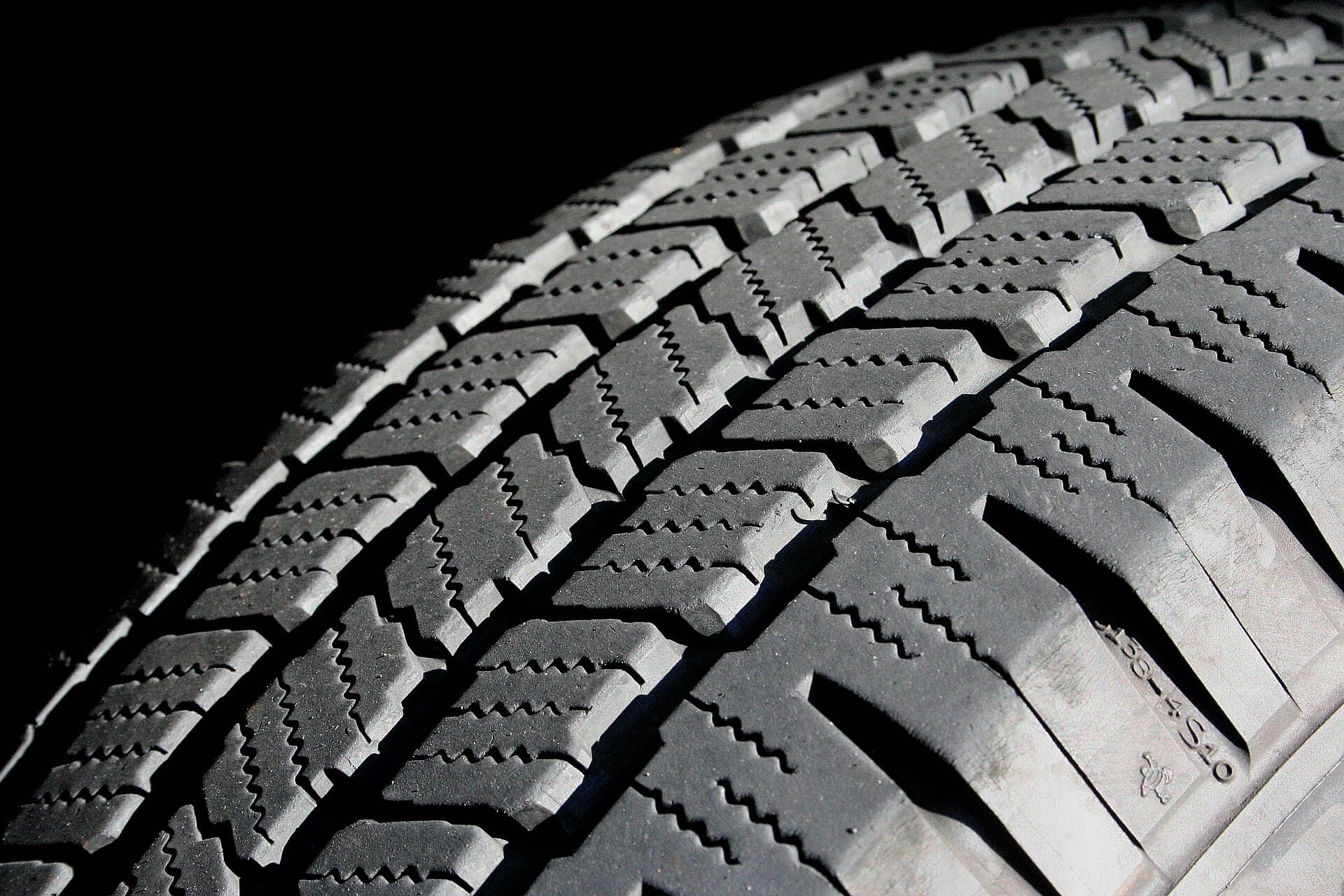
Photo: Wikimedia Commons contributors (File:Tire tread.jpg). Licensed CC BY 2.0. Source and licence. See also the image credits page.

A puncture is a small hole with a large social life. Everyone has a story about a screw that “was fine for months”. Some of those stories are true. Some of them end on the Gateway. This page is the care and safety line between a repair and a bin.
Where the hole is
The centre of the tread, away from the shoulder, a clean nail or screw, no cords waving: that is in the repair zone for most passenger tyres. A shop should demount the tyre, inspect the inside for hidden damage, and fit a combined patch-plug. A string plug from a $15 kit is how you get to that shop, not how you finish the year.
The shoulder is a flex zone. Repairs there fail. The sidewall is a flex zone with no second chance. A gash, a bulge, a pinch from a pothole — finished. Do not bargain. Potholes make this a seasonal Brisbane conversation.
What happened after the hole
If you have driven on a flat or near-flat, the inside of the tyre may be smoked. Crumb rubber in the carcass is the tell. A pretty hole in the tread does not save that tyre. Run-flats that have done their limp-home job often join this pile. Run-flat versus conventional is the background.
Emergency kits and the honesty they require
Sealant slimes can work on a small tread puncture and can ruin a TPMS sensor. Tell the next fitter. A 12-14 compressor is a gift. It is not a strategy for a torn sidewall. If the car has no spare, practice fitting the kit at home once. Night, rain, and the shoulder of the M1 are a poor classroom.
After the repair
Rebalance. Recheck the next morning. If the tyre keeps losing air, stop arguing with it. And if you are already at 3 millimetres in storm season, a perfect repair on a dying tyre is still a dying tyre. When to replace may be the cheaper sentence.
The old site told you to look for cuts and missing knobs on motorcycle rubber. The same eyes work on a car in a Bunnings carpark. A gleam of metal in the tread is not a souvenir. It is a decision. Make it before the highway does.
A longer look at the same job
The short version of Punctures, plugs and when to bin a tyre is the part you will remember in a fitting bay. The longer version is how that advice survives a Brisbane year: heat in January, a storm in February, a pothole week in March, a highway run at Easter, and a fitter who is busy on a Friday. This desk exists so the longer version still has somewhere to live.
Start with the car you have, not the car in the brochure. Read the door placard. Photograph both sidewalls. Write the pressures down. If you tow, if you run a roof box, if the car is a hybrid with a heavy nose, say those things out loud before anyone quotes a special. A special that ignores load is not a special. It is leftover stock.
How this sits with the rest of the archive
Nothing on Brisbane Tyres is meant to be a lone pamphlet. The car tyres hub still opens the same door the 2007 site opened. Motorcycle tyres still warn you to match front and rear. Tyre suppliers still tell you to test knowledge. Cheap tyres still tell you not to panic-pay, and not to confuse a bargain with a carcass. Care and safety is the weekly habit. Queensland roads is the climate. History is why the brands on a quote have grandparents.
If you are reading this article because a quote confused you, take questions to ask before you buy and how to compare tyre quotes into the bay. If you are reading it because a tyre already failed, take punctures and when to replace. If you are reading it because the sky has gone black, take wet-weather and aquaplaning.
Local details that do not fit a national brochure
Coarse chip-seal on suburban arterials roars a pattern that was quiet on a European press loop. Concrete on the Gateway drones a budget block. Painted crossings after a first rain are ice. A west-facing brick wall in Woolloongabba is an oven. A flooded dip on a hinterland road is not a place to test remaining groove. These are not colourful asides. They are the test conditions.
A fitter who has only worked in a climate-controlled warehouse will still mount a tyre correctly. A fitter who has seen a January week in this city will also ask about the spare, the alignment and the storm. Prefer the second person. Pay them.
What we will not tell you
We will not crown a single “best tyre in Brisbane”. We will not pretend a house brand is secretly a flagship. We will not tell you to ignore the placard because a forum likes a plus-size look. We will not tell you a string plug is a career. We will not tell you a ten-year-old tyre is fine because it has tread. Those sentences sell well. They fail on the road.
We will tell you to measure, to write dates down, to buy the load index you need, and to replace a wet-season tyre before the legal minimum makes the decision. That is a dull kind of editorial courage. It is also the only kind that belongs on a site that started as information on all the different tyres in the market.
A closing habit
Once a month, on a morning the car has sat, check pressures, look at inner shoulders, look for nails, look at the week code if you still do not know it. Once a season, before the first proper storm, measure tread. Once a year, get an alignment printout if the car has hit anything it felt. Those three loops will save more money than a coupon.
If something on this page is wrong for your vehicle, write to the contact desk and name the article. We correct dates and we correct advice. The old site was chatty. We kept the chat and added the duty of care.
A worked example from a ordinary Saturday
Imagine a 2016 medium SUV in Coopers Plains, door placard 225/65R17 102H, two school seats, a dog, a weekend bag. The fronts are feathered inside. The rears have 4 millimetres. A chain has a $99 special in 225/65R17 98H. A local independent has a mid-range 102H for $40 more a corner and will align the car the same morning. The cheap special is not cheaper. It is a lower load index on a car that already lives full, and it will inherit a bent alignment. The independent is the grown-up quote.
Now change one fact: the car is a third car that does 2,000 kilometres a year to a boat ramp in the dry. The cheap special, if the date is fresh and the fitter will still write an invoice, can be the right rung. The article you are reading is how to tell those two Saturdays apart. The facts change. The method does not.
If you want a second human to look at a quote, that is what the write for us and contact pages are for — not to sell you a tyre, to tell you whether the sentence on the invoice is complete. Completeness is the product this publication actually sells.
Frequently asked
- Is a string plug a real repair?
- It is an emergency. A proper repair is a patch-plug from the inside after the tyre is taken off the rim.
- Can a sidewall be repaired?
- In almost every passenger-car case, no.
- Can I repair a run-flat?
- Many makers say no once it has been run deflated. Believe them.
More from Care and Safety
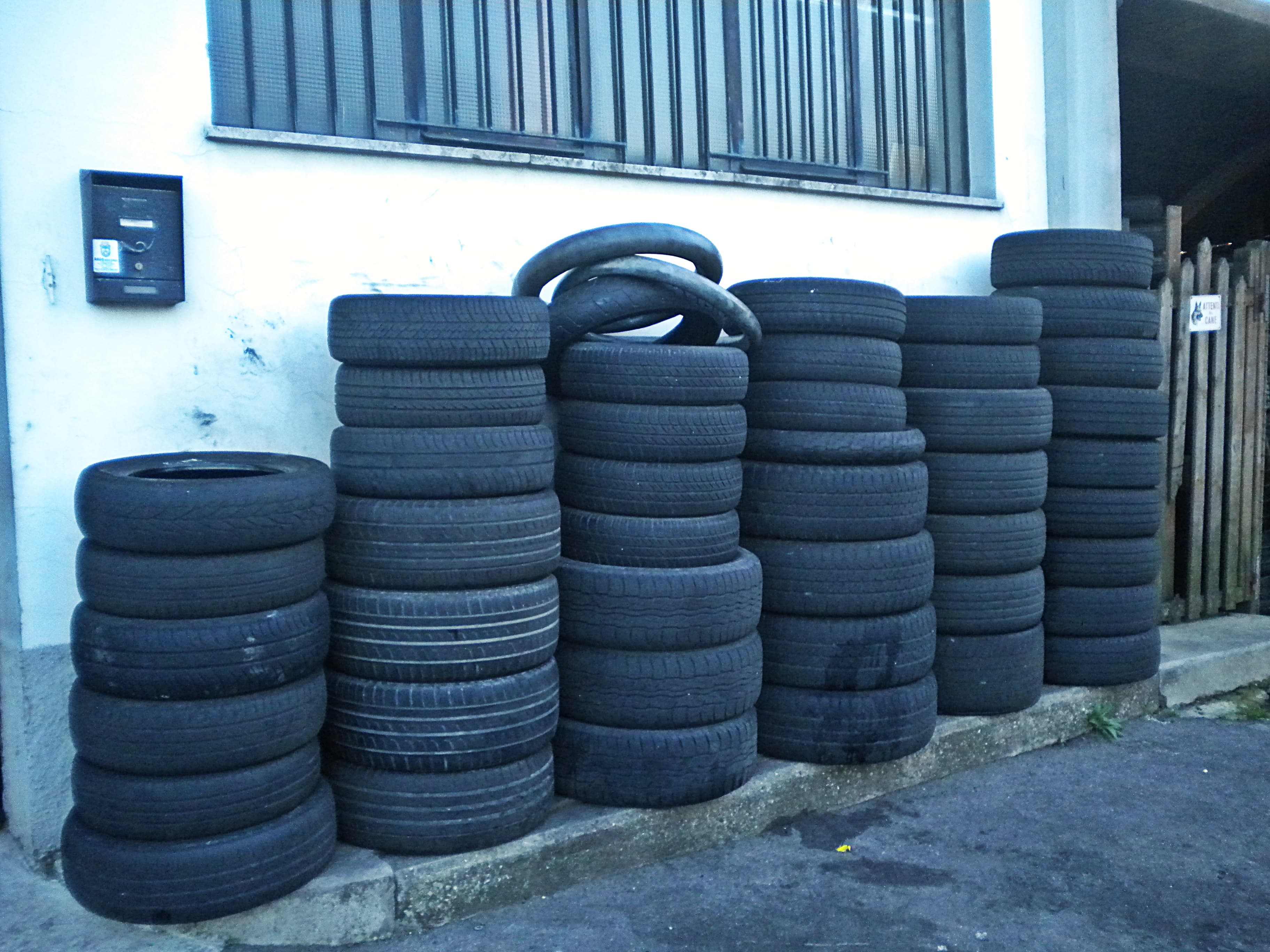
Mixing tyres and why it matters
The 2007 site said not to mix constructions or tread patterns. Modern cars, ESC and AWD have made that sentence stricter, not looser.
27 April 2025

Tyre pressure after a Brisbane heatwave
Hot bitumen raises the number on the gauge. That does not mean you should let air out at a servo at 2pm. A summer pressure habit for SEQ.
8 March 2025
Alignment, rotation and balancing
The 2007 maintenance list still stands: rotate on a pattern, balance the shake out, and fix the alignment before you blame the brand.
14 February 2025